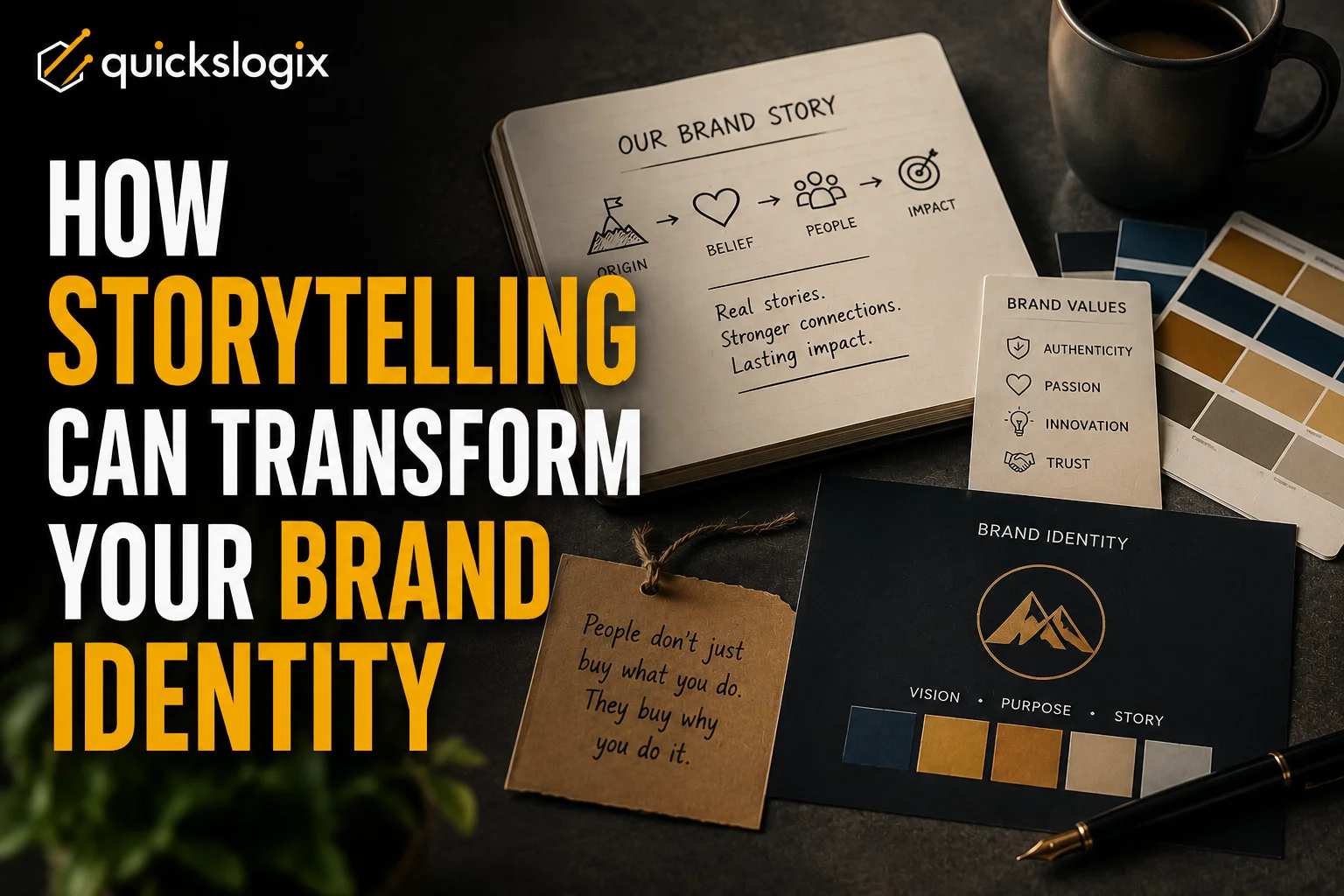
In today’s crowded digital landscape, brands are not just competing for attention, they’re competing for emotional connection. Consumers no longer respond to hard-sell tactics; they crave authenticity, meaning, and stories that resonate with their values. That’s where storytelling comes in. It’s not just a marketing tool, it’s the foundation of a strong, memorable brand identity that leaves a lasting impression.
What Is Brand Storytelling, and Why Does It Matter?
Brand storytelling is the art of conveying your company’s values, mission, and purpose through a compelling narrative. It’s about transforming your business from a faceless entity into something people can emotionally connect with.
A powerful brand story helps you:
- Build trust by showing authenticity
- Create emotional engagement that drives loyalty
- Differentiate your brand in a saturated market
- Inspire action through relatable experiences
In short, storytelling transforms your brand from “what you do” into “why you do it.”
The Psychology Behind Storytelling in Branding
Humans are wired for stories. From ancient folklore to modern cinema, stories have always been our most natural form of communication. They trigger emotion, empathy, and memory, three essential elements for effective branding.
When your brand uses storytelling:
- The emotional centers of the brain light up, helping people remember your message.
- Your audience begins to associate your brand with feelings rather than features.
- Customers feel like participants, not just spectators, in your brand’s journey.
That emotional connection turns one-time buyers into lifelong advocates.
Key Elements of a Powerful Brand Story
Crafting a brand story isn’t about creating fiction, it’s about revealing truth in a relatable way. Here are the core components of a strong brand narrative:
- Authenticity – Be real. Share genuine experiences, challenges, and motivations that shaped your brand. Audiences can spot fake stories instantly.
- Purpose – Clarify why your brand exists beyond making profits. What problem do you solve? What values drive you?
- Character – Your brand is the “hero” of the story, but so is your customer. Make them the center of your narrative.
- Conflict – Every great story involves a challenge. What obstacles did you or your customers face, and how did your brand provide the solution?
- Transformation – Show growth. Highlight the impact your brand has made, how it transforms lives, experiences, or industries.
How Storytelling Shapes Brand Identity
Your brand identity is more than a logo or color palette, it’s the emotional and psychological relationship you build with your audience. Storytelling gives that identity depth, personality, and consistency.
Here’s how storytelling strengthens brand identity:
- Creates Emotional Consistency: A story gives your brand a unified voice and purpose across all platforms.
- Humanizes Your Message: People connect with people, not corporations. Storytelling gives your brand a human touch.
- Builds Loyalty: Customers who relate to your story stay longer and advocate for your brand.
- Encourages Word-of-Mouth: A compelling story is naturally shareable, helping your brand grow organically.
When your story aligns with your mission and audience values, your identity becomes unforgettable.
Examples of Storytelling in Action
- Coca-Cola: Sells happiness, not just beverages. Every ad tells a story of connection and joy.
- Nike: Focuses on personal triumph. “Just Do It” is more than a slogan—it’s a motivational story of resilience.
- Local Pakistani Brands: Many rising businesses in Pakistan are embracing storytelling to showcase cultural pride, craftsmanship, and community impact, resonating deeply with local audiences who value authenticity and heritage.
How to Build Your Brand Story: Step-by-Step
- Know Your Audience: Understand their dreams, struggles, and motivations.
- Define Your Core Message: Identify the one thing you want people to remember about your brand.
- Choose the Right Medium: Use blogs, videos, social media, or even packaging to tell your story consistently.
- Use Emotion Wisely: Inspire, don’t manipulate.
- Evolve Over Time: Your story should grow as your brand evolves—stay true to your roots but adapt to new chapters.
Conclusion: Your Story Is Your Superpower
In a world full of noise, storytelling helps your brand stand out, not by shouting louder, but by speaking more meaningfully. A well-crafted story builds trust, strengthens identity, and forges emotional connections that no marketing gimmick can replicate.
Every brand has a story. The difference lies in how you tell it, and how deeply it resonates with your audience.
Frequently Asked Questions
1. What makes storytelling important for brand identity?
Storytelling humanizes your brand, helping audiences emotionally connect with your values, purpose, and message.
2. Can small businesses use storytelling effectively?
Absolutely. Authentic, personal stories often make smaller brands more relatable and trustworthy.
3. How can storytelling improve customer loyalty?
When customers see themselves in your brand story, they develop emotional bonds that go beyond transactions.
4. What platforms are best for brand storytelling?
Social media, blogs, video campaigns, and even email newsletters are ideal for consistent storytelling.
5. How do I find my brand story?
Reflect on your origin, challenges, and mission. Ask: “Why do we exist, and who do we serve?” The answers form your brand’s core narrative.
Call to Action
Ready to craft a story that sets your brand apart? Partner with Quickslogix today to create a brand identity that connects, inspires, and endures